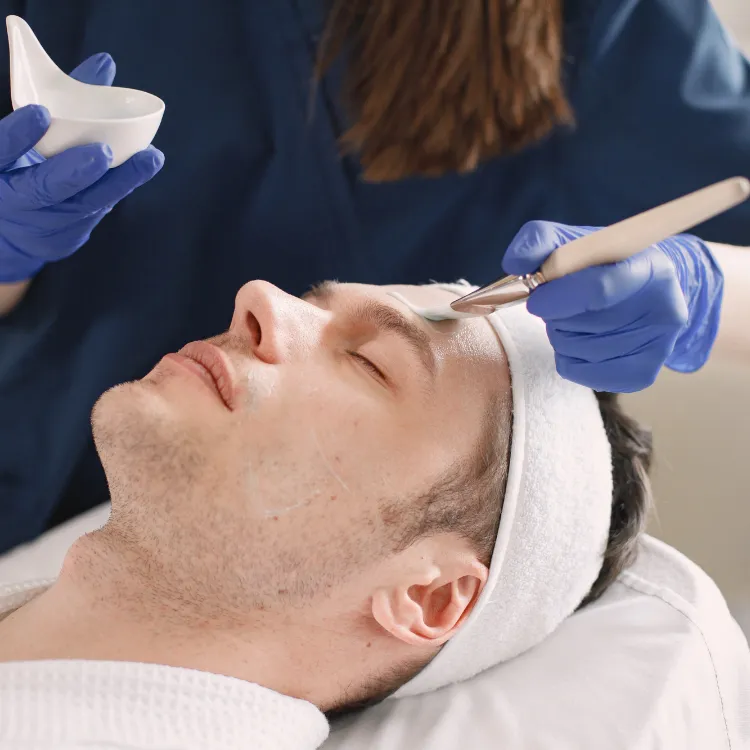
Chemical peels are dermatological treatments used to improve skin texture, tone, and clarity by gently exfoliating damaged outer layers of the skin. When performed under medical supervision, chemical peels help address concerns such as acne, pigmentation, dullness, fine lines, and uneven skin tone. At SkinVive, chemical peels are selected and customised based on skin type and concern to ensure safety and effective results.
What are Chemical Peels?
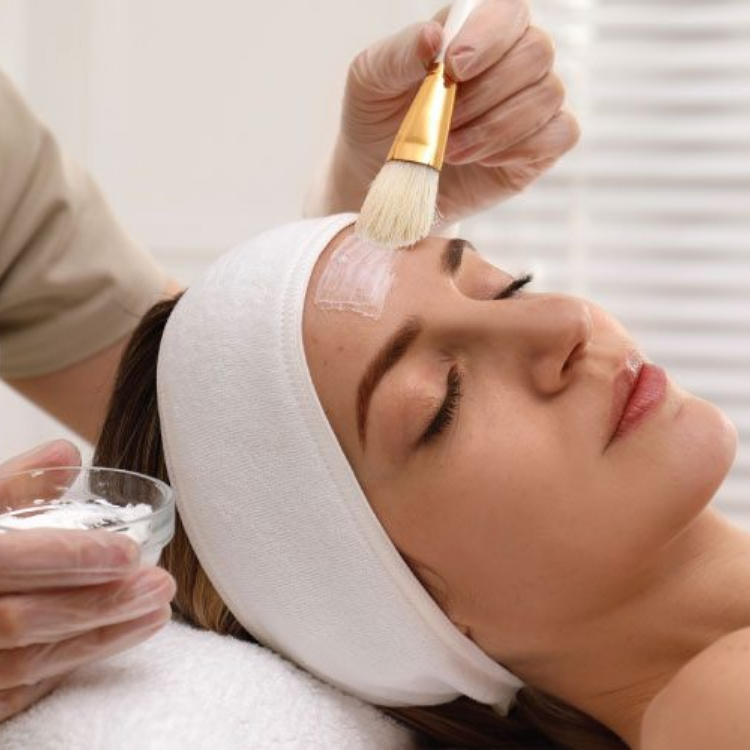
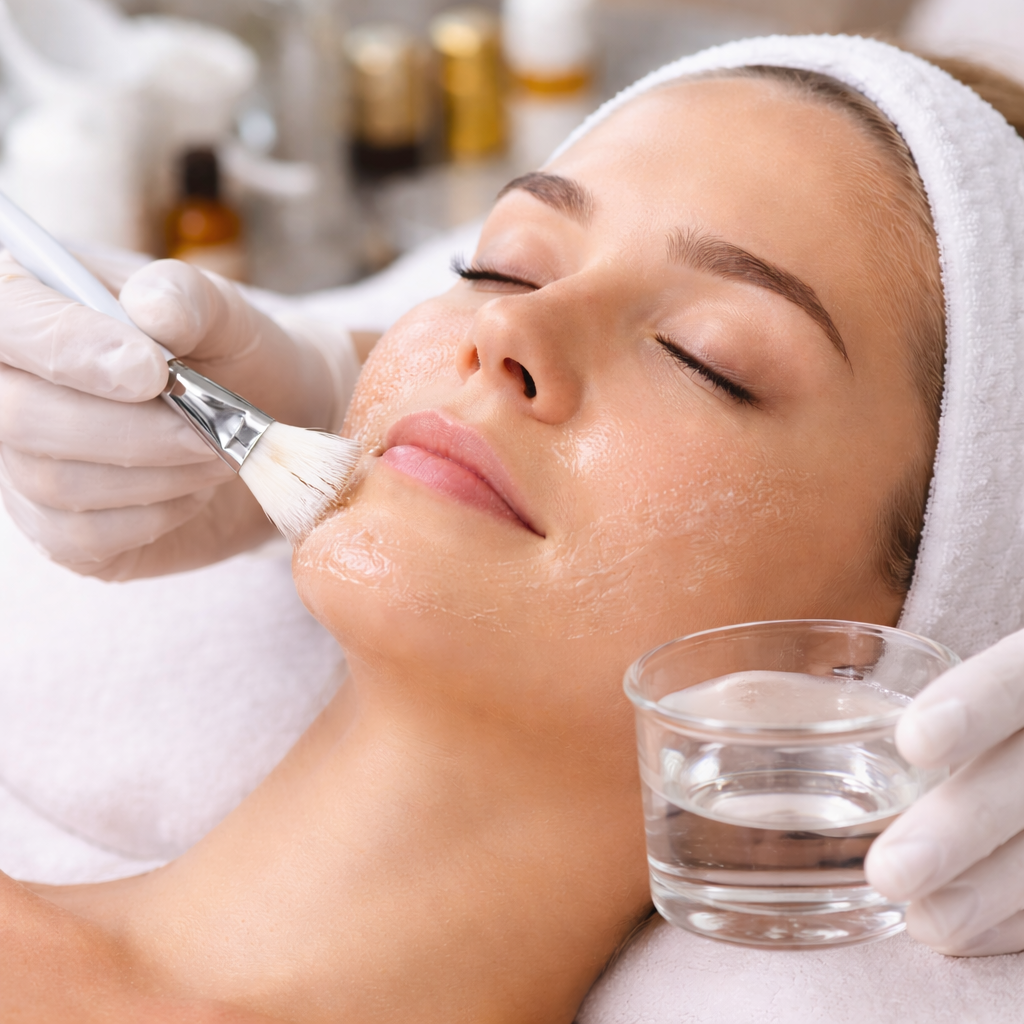
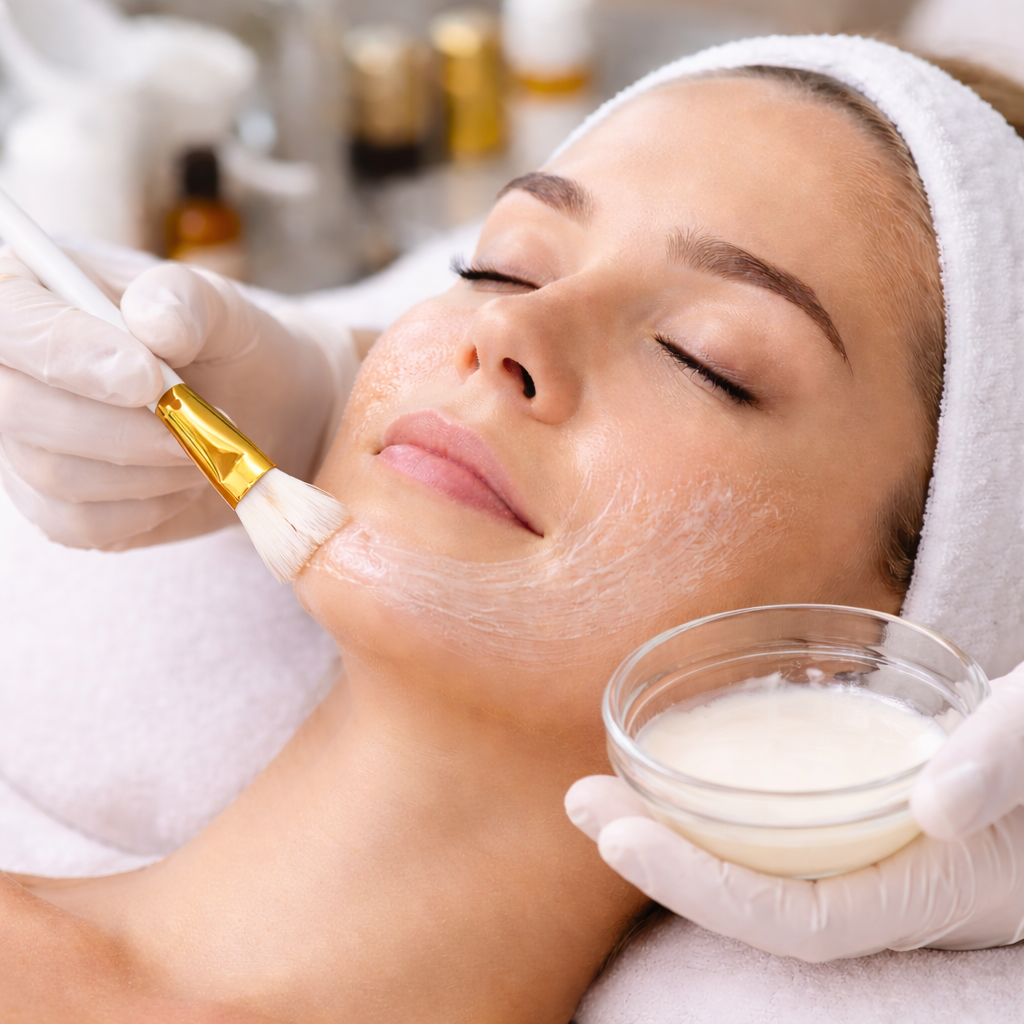
Chemical peels involve the controlled application of medical-grade peeling agents to exfoliate the skin and stimulate cell renewal. This process helps remove dead skin cells, unclog pores, and promote healthier skin regeneration.
Different types of chemical peels are used depending on the depth of exfoliation required and the skin concern being treated. A dermatologist evaluates the skin before recommending the appropriate peel.
Services
Types of Chemical Peels Offered
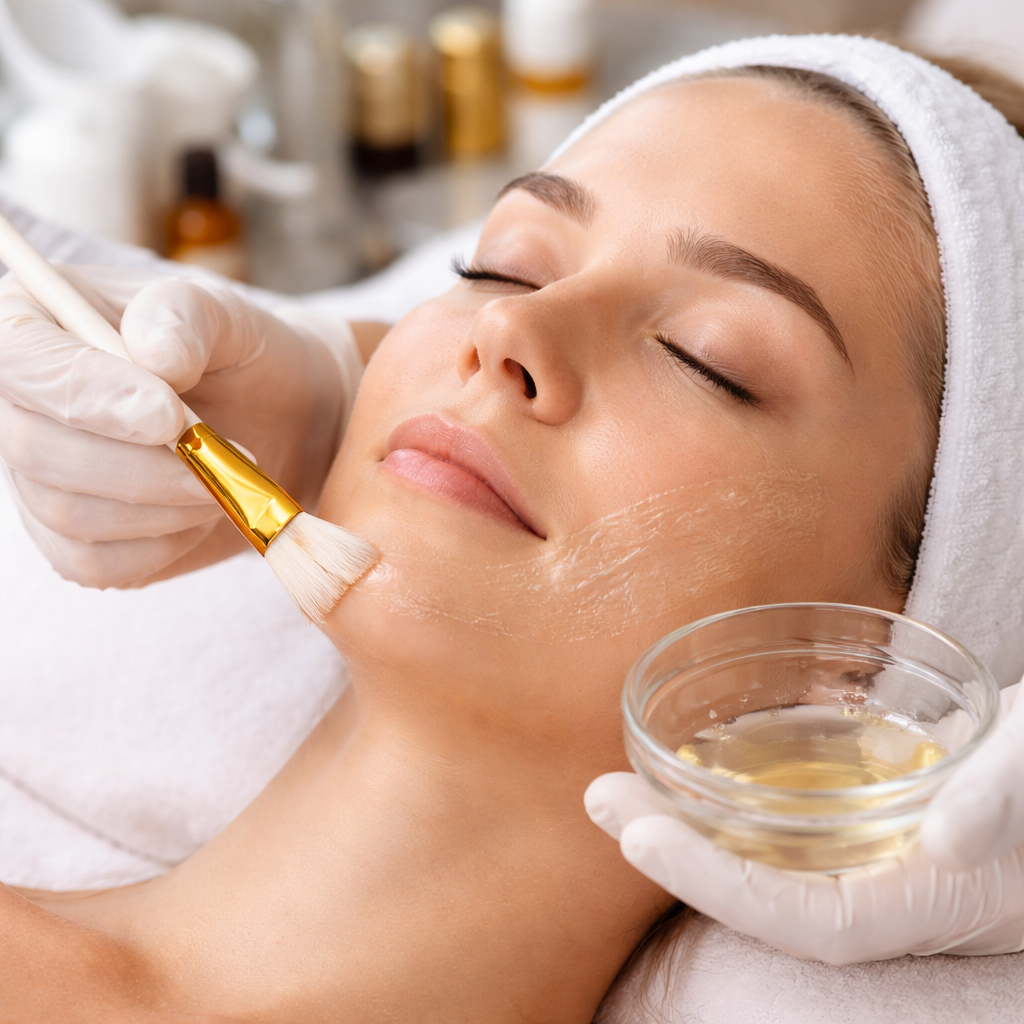
Glycolic Acid Peel
A commonly used superficial peel derived from alpha hydroxy acids (AHA) that exfoliates the skin gently.
When it is recommended:
For acne, dull skin, fine lines, and uneven texture.
What to expect:
Minimal downtime with gradual improvement in skin brightness.
Salicylic Acid Peel
A beta hydroxy acid (BHA) peel that penetrates oil glands and unclogs pores.
When it is recommended:
For acne-prone and oily skin, blackheads, and whiteheads.
What to expect:
Reduced oiliness and acne with mild, temporary peeling.
Lactic Acid Peel
A gentle peel suitable for sensitive skin that improves hydration and texture.
When it is recommended:
For dry, sensitive, or dull skin.
What to expect:
Smoother and more hydrated skin with minimal irritation.
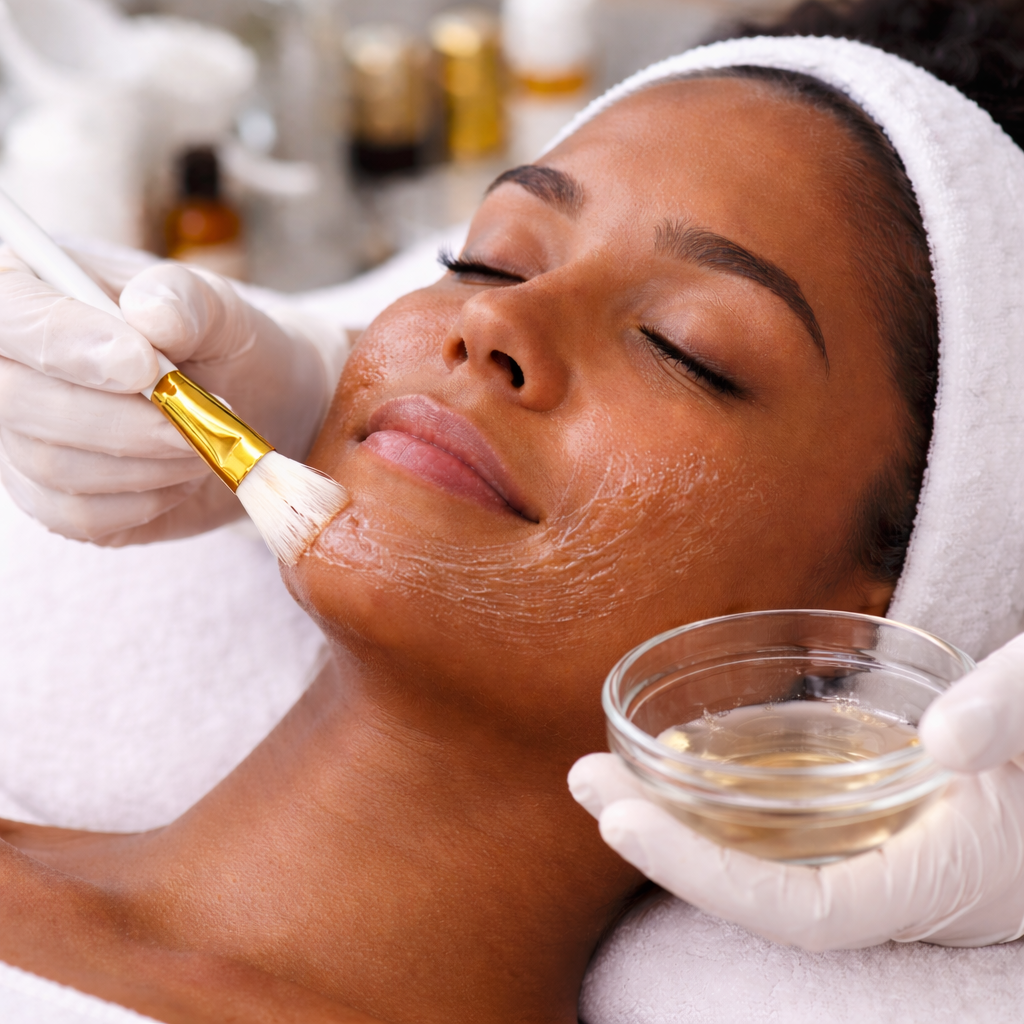
Mandelic Acid Peel
A mild peel with antibacterial properties and larger molecules, making it safer for sensitive and darker skin tones.
When it is recommended:
For acne, pigmentation, and sensitive skin.
What to expect:
Even skin tone improvement with low risk of irritation.
TCA Peel (Trichloroacetic Acid)
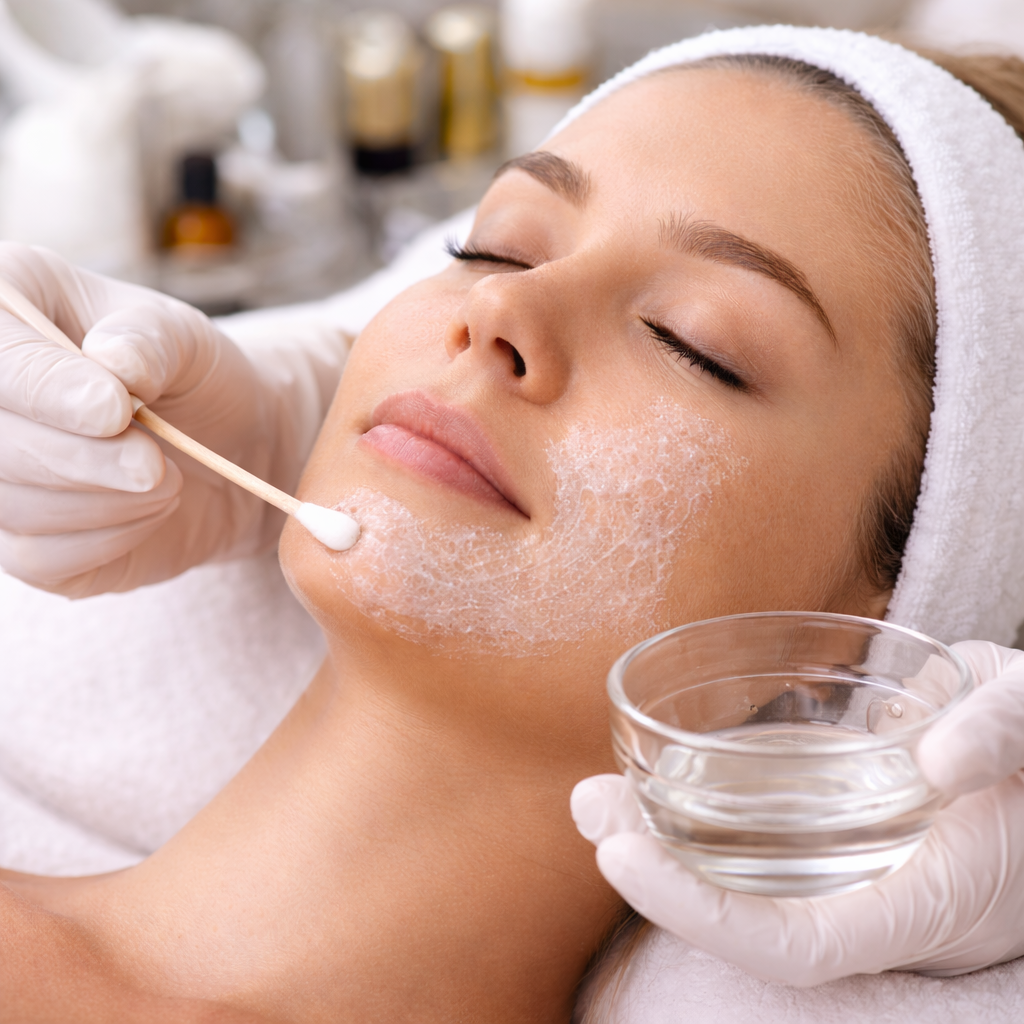
A medium-depth peel used for more pronounced skin concerns.
When it is recommended:
For acne scars, pigmentation, and signs of photoaging.
What to expect:
Visible peeling and downtime, with significant skin renewal over time.
Benefits
Benefits & Features of Chemical Peels
Improves skin texture and clarity
Stimulates skin renewal
Helps reduce acne and pigmentation
Customised for individual skin types
What to expect from a chemical peel?
The procedure usually takes 20–30 minutes. Mild tingling or warmth may be felt during the peel application. Depending on the type of peel, mild redness or peeling may occur for a few days. Results develop gradually as the skin heals and regenerates.
The number of sessions and peel strength are decided by the dermatologist based on skin condition and treatment goals.
When are chemical peels recommended?
Chemical peels maybe advised for:

Proper evaluation is essential to choose the right peel and avoid complications.
Why Choose SkinVive?
At SkinVive, skin conditions are managed with a strong emphasis on medical accuracy and patient safety.
Benefits of Dermatological Care
How Skin Conditions Are Evaluated
- Detailed clinical examination
- Dermoscopy or skin analysis (where required)
- Medical history and lifestyle assessment
- Diagnostic tests if indicated
About Doctor
Meet Dr. Karishni Chittarvu
Dr. Karishni Chittarvu is a highly qualified dermatologist, aesthetic physician and laser specialist, known for her ethical approach and patient-centric care. A gold medallist and university topper, she combines academic excellence with years of hands-on clinical experience.
Her practice focuses on treating the root cause, not just symptoms. Whether it’s acne, pigmentation, hair loss, autoimmune skin conditions or advanced aesthetic concerns.
She treats children, adults and elderly patients, ensuring personalised treatment plans tailored to individual skin and hair needs.

Reviews & Testimonials
What Patients Say
The best measure of care comes from the experiences of those who have been treated. Here’s what patients share about their journey with Dr. Karishni Chittarvu.